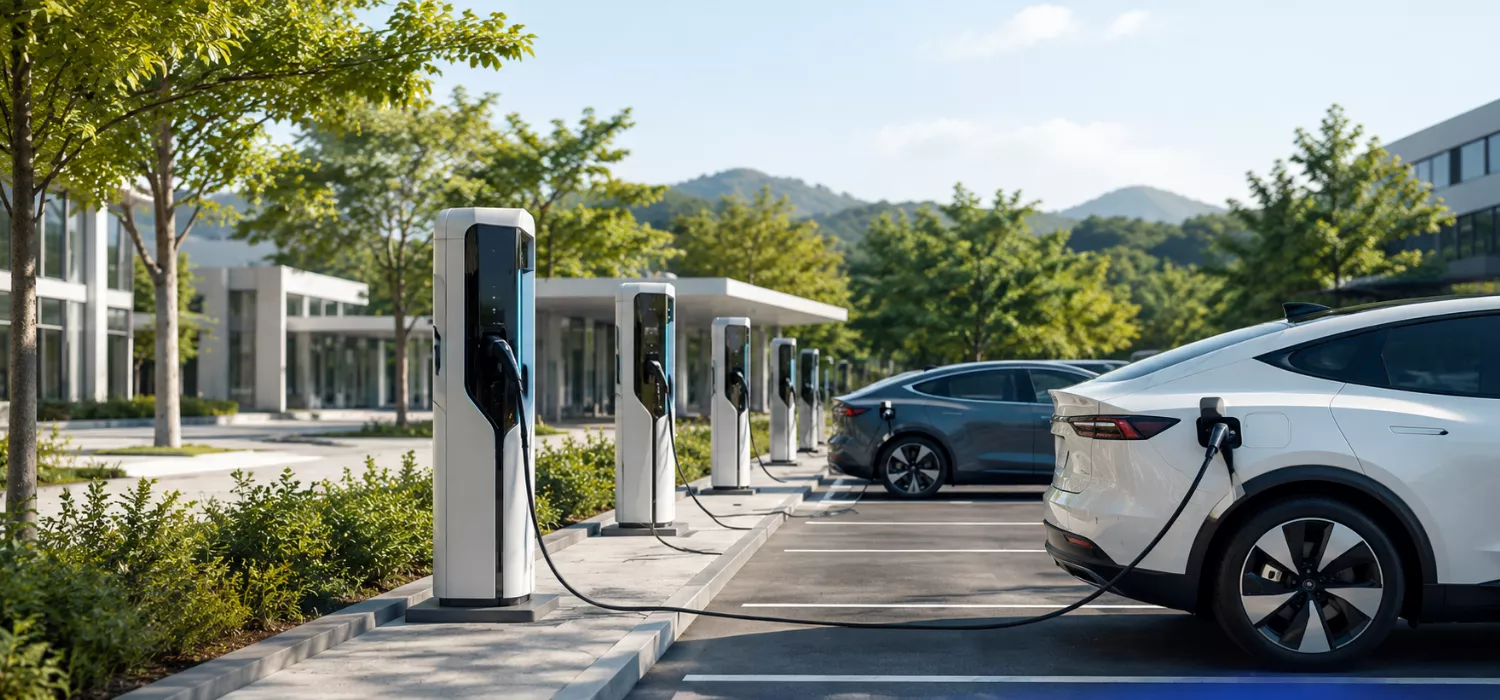

Smarter EV Charging for a More Stable Campus Grid
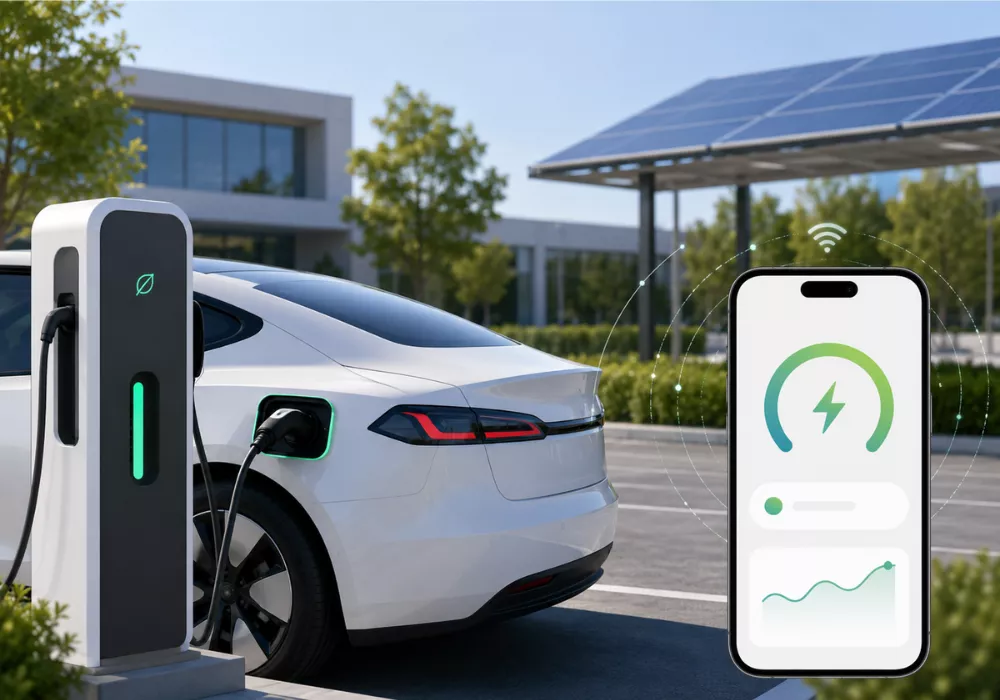
Smarter EV Charging for a More Stable Campus Grid
The sharp increase in electric vehicle (EV) adoption poses a major challenge to electricity grids. When multiple drivers plug in simultaneously during morning rush hours, it creates an intense power spike that strains infrastructure and spikes utility bills. "Smart Charge HKUST" is an innovative software-driven platform designed to sync building energy loads with EV charging. By shifting flexible charging sessions to off-peak hours using smart algorithms, this system slashes peak power demand, avoids costly transformer upgrades, and reduces utility charges—all while providing drivers with real-time station availability.




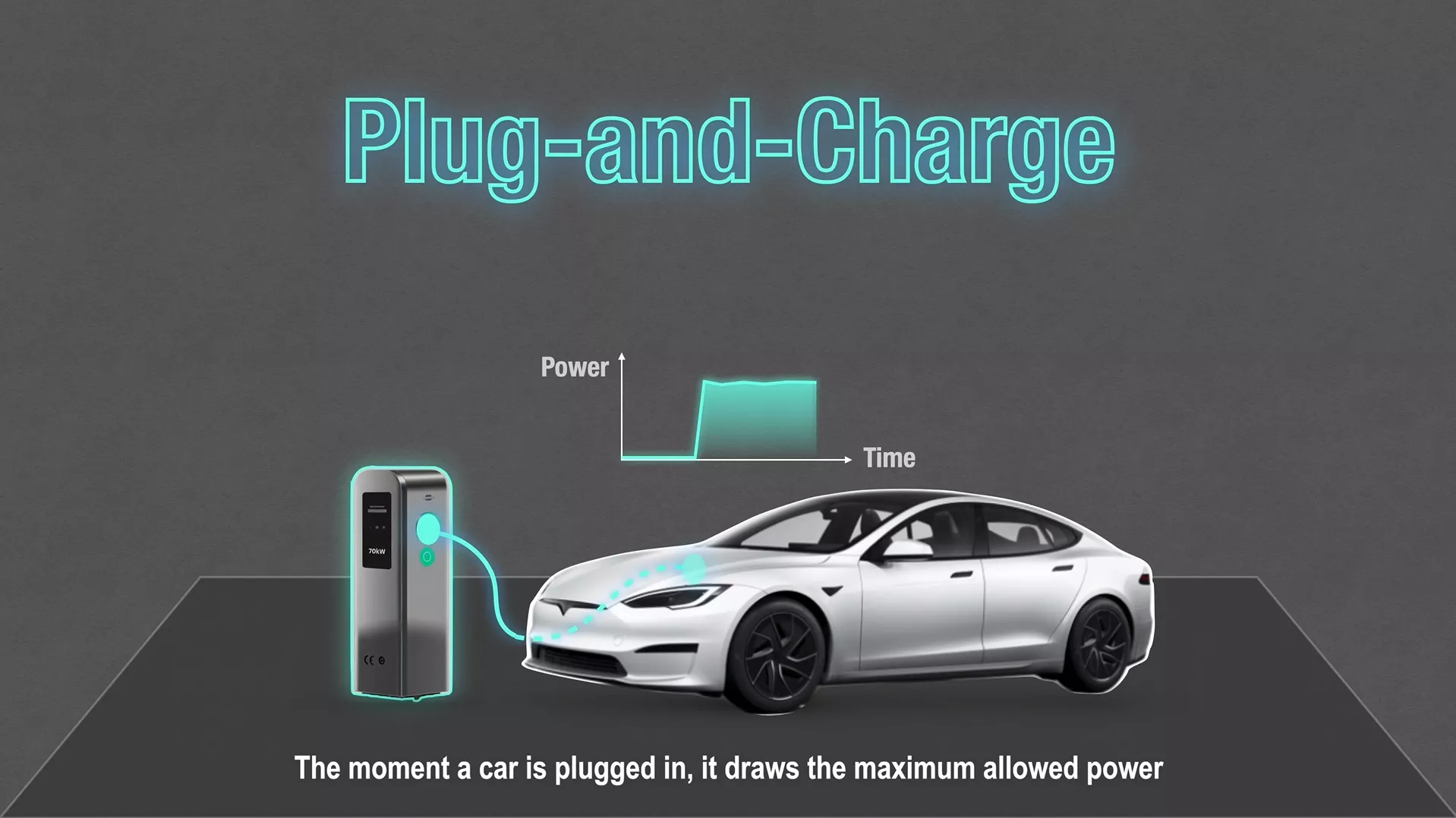
Why does EV charging need smarter timing?
Plugging in all at once turns a clean transport solution into an expensive infrastructure crisis.
Eliminating "Peak-on-Peak" Spikes: Currently, drivers arrive at campus and plug in immediately. This creates a surge in electricity demand exactly when the university buildings are ramping up their own daily energy consumption.
Preventing Grid Infrastructure Stress: This combined morning spike puts heavy pressure on the local microgrid. Without an automated way to manage this load, the university would face expensive mandatory transformer and hardware upgrades to cope with expanding EV numbers.
Avoiding Heavy Financial Penalties: Power companies charge businesses substantial "Peak Demand Charges" based on their highest point of electricity usage. Smarter timing flattens these sharp spikes, directly lowering utility costs without changing how much total power is delivered.
How will it work?
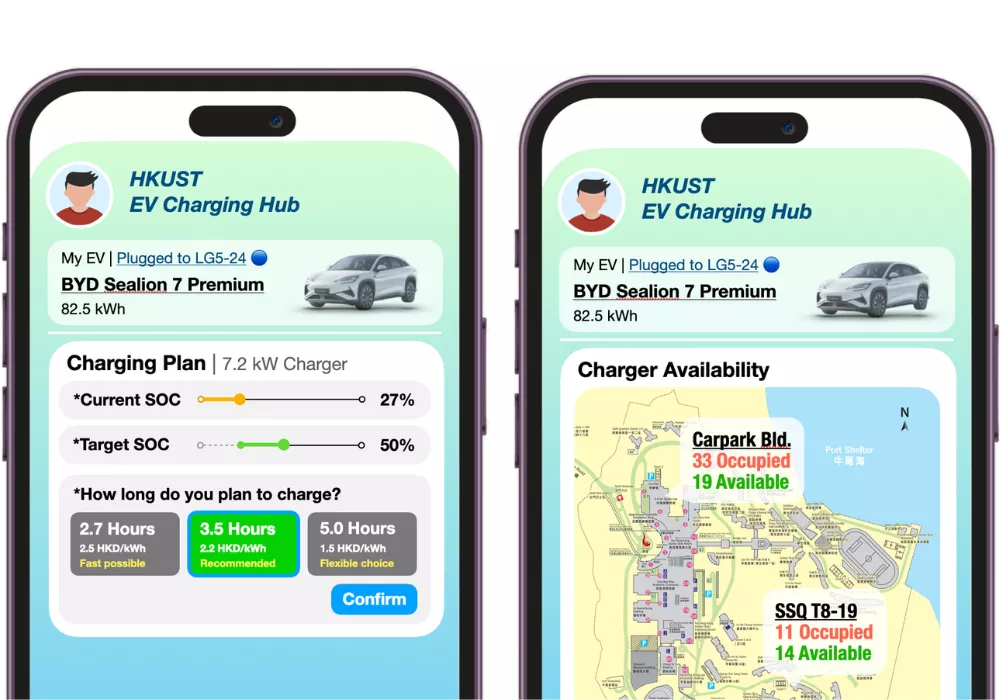
The platform acts as an automated energy traffic controller using a mobile and web application. When drivers arrive on campus, they log their estimated departure time and current battery levels into the system. The backend algorithm then calculates real-time building energy consumption and schedules the charging windows accordingly.
To encourage participation, the program uses a self-sustaining dynamic pricing model. Drivers who require immediate, maximum power pay a minor premium. The surplus collected from these urgent sessions is directly redistributed to fund discounts and electricity subsidies for users who offer flexibility.
What could this change on campus?
The platform acts as an automated energy traffic controller using a mobile and web application. When drivers arrive on campus, they log their estimated departure time and current battery levels into the system. The backend algorithm then calculates real-time building energy consumption and schedules the charging windows accordingly.
To encourage participation, the program uses a self-sustaining dynamic pricing model. Drivers who require immediate, maximum power pay a minor premium. The surplus collected from these urgent sessions is directly redistributed to fund discounts and electricity subsidies for users who offer flexibility.