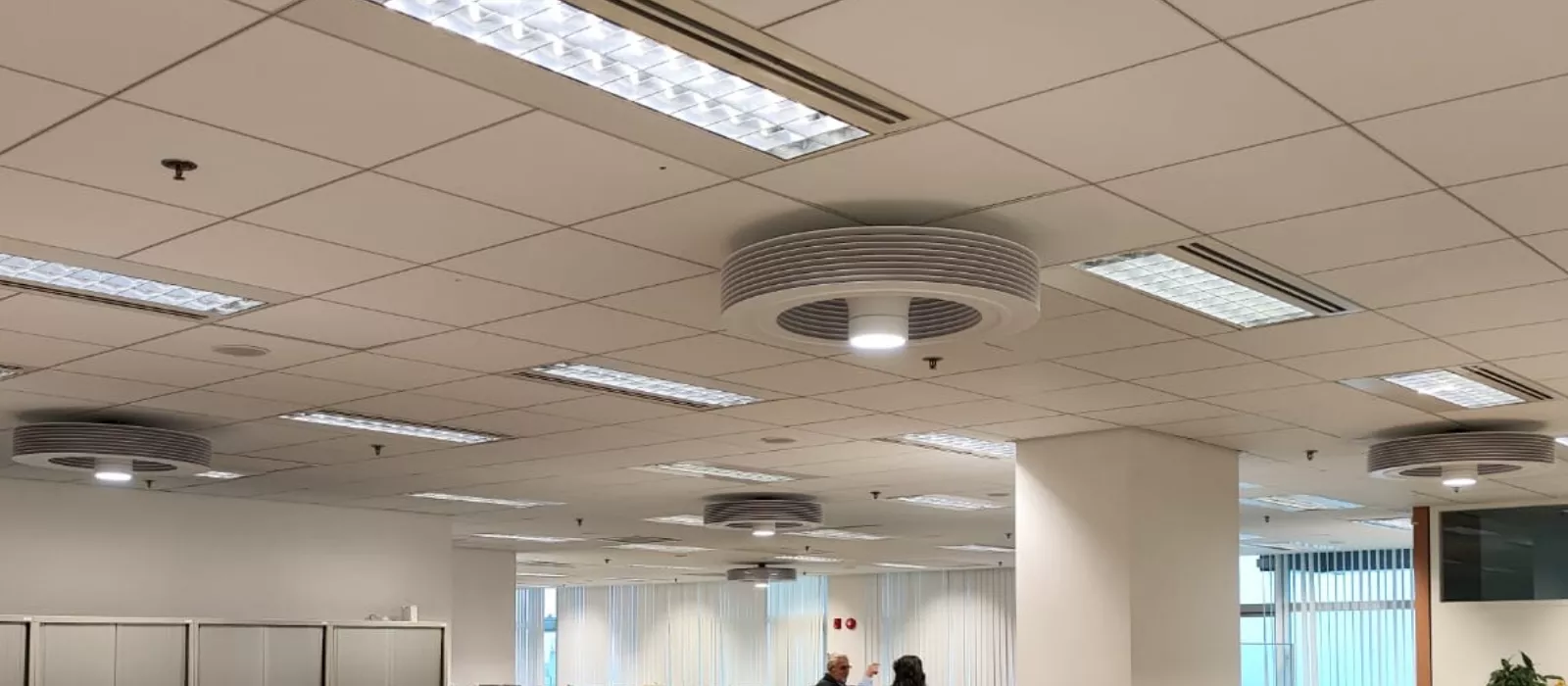

Making UST feel Just Right with an AI-Powered Thermal Management System
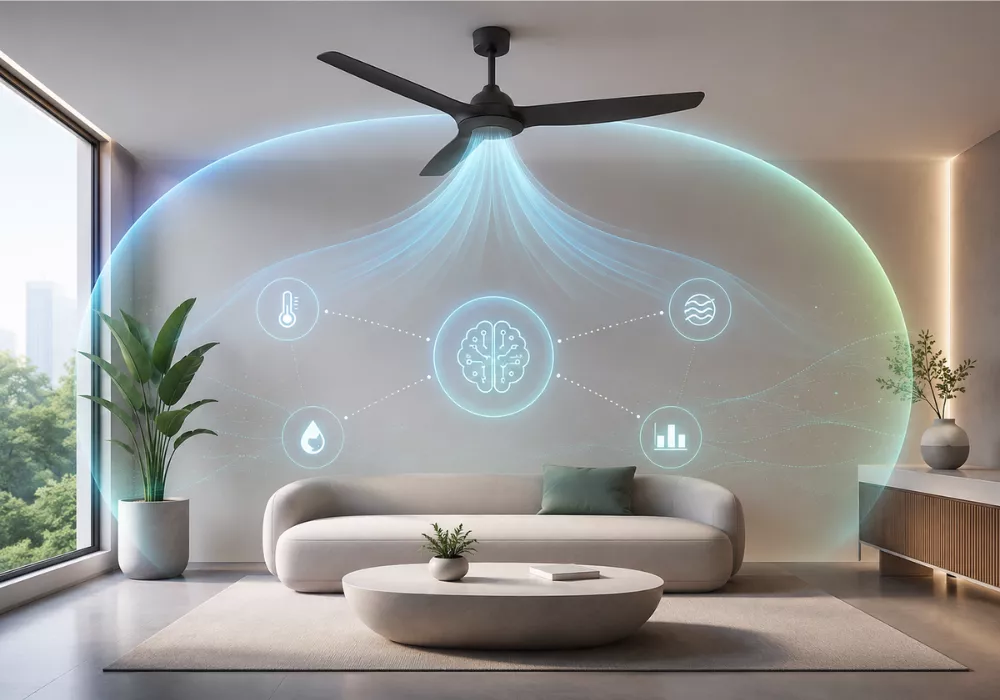
Making UST feel Just Right with an AI-Powered Thermal Management System
Traditional building climate systems rely on rigid, automated thermostat numbers that often leave rooms feeling either freezing cold or uncomfortably warm while wasting significant energy. "JustRight" is an AI-powered thermal comfort management platform designed to create an occupant-centric indoor climate. By combining smart internet-of-things (IoT) environmental sensors, automated ceiling fans, and an active human feedback application, the system dynamically learns real-time occupant preferences. It optimizes indoor temperatures using a cost-effective "overlay" design that cuts air conditioning energy bills by 20% to 35% without requiring expensive equipment replacements.




Why does indoor comfort matter on campus?
Over-cooling classrooms doesn't just waste energy—it actively drains human productivity.
Boosting Productivity and Focus: Poor thermal environments directly impact cognitive performance. Prioritizing human comfort over static thermostat numbers pays off; research reveals that a 1∘C improvement in perceived thermal comfort increases workplace and academic productivity by 1.5% to 3%.
Curbing HVAC Energy Waste: Heating, ventilation, and air conditioning (HVAC) systems are the single largest consumers of electricity on campus. Tailoring climate controls to actual human needs prevents massive energy waste, directly supporting the university's carbon neutrality targets.
Territorial Sustainability Leadership: Buildings account for 90% of Hong Kong's total electricity consumption. Proving an efficient, occupant-centered cooling model on campus establishes a highly visible, replicable blueprint that aligns with Hong Kong’s Climate Action Plan 2050.
How does JustRight work?
Real-Time Data Collection: The system continuously tracks environmental factors like air temperature, humidity, and room occupancy through low-cost IoT sensors distributed across the building.
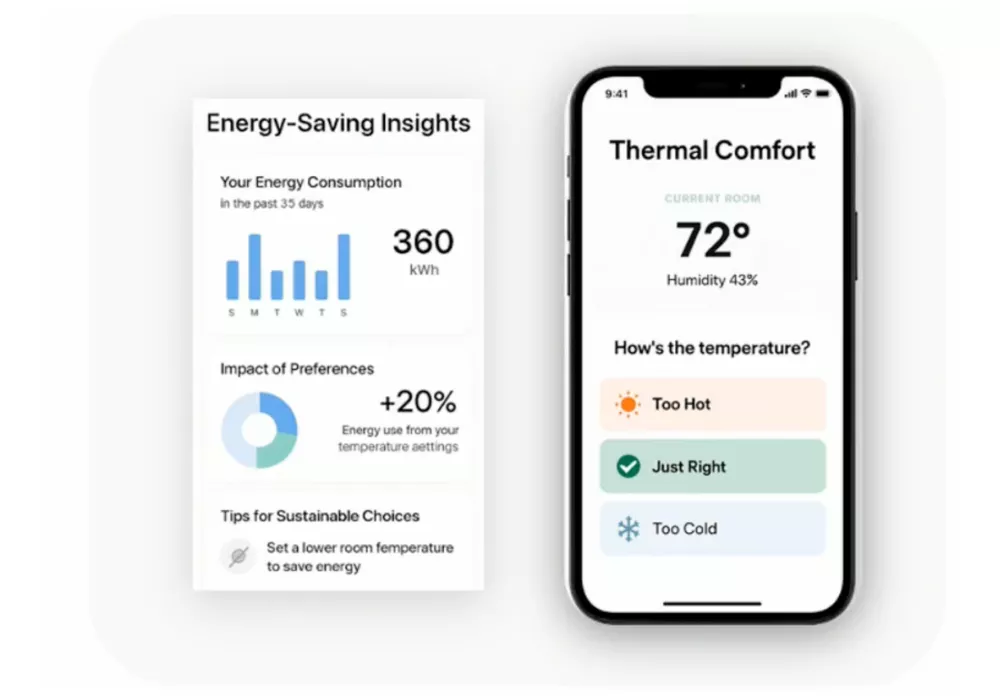
Active Human Feedback: Occupants act as the ultimate climate sensors. By scanning desk QR codes or using the mobile app, students and staff cast instant comfort votes ("Too Cold," "Perfect," or "Too Warm") to establish the true thermal comfort of a room.
AI-Driven Optimization: A specialized machine learning engine processes this combined sensor and human data, autonomously learning the specific climate preferences of different building zones over time.
"Fan-First, AC-Second" Sequence: When adjustments are needed, smart infrared blasters activate existing ceiling fans first, which lower perceived temperatures on just 5 watts of power. Centralized air conditioning is dialed down only if the fans are insufficient
How can students and staff take part?
Students and staff are the vital "human sensors" driving the entire project, and participating is completely frictionless. Occupants can cast a one-tap comfort vote through the JustRight mobile app or by scanning specialized QR codes affixed to desks and seating areas across the building's common spaces. To encourage active community involvement, the platform gamifies energy conservation by tracking contributions on a monthly "Eco-Champion" leaderboard, where users can earn points redeemable for campus canteen vouchers. Furthermore, the community can track their collective environmental impact on public dashboard screens in the building lobby, which broadcast live data on overall satisfaction and real-time carbon reductions. For those looking to dive deeper academically, the project publishes an open-data dashboard for undergraduate research projects and integrates directly into advanced Building Services Engineering courses as a live, real-world case study.